Earthquake Insurance.
Protect your property from nature’s unexpected shake-ups


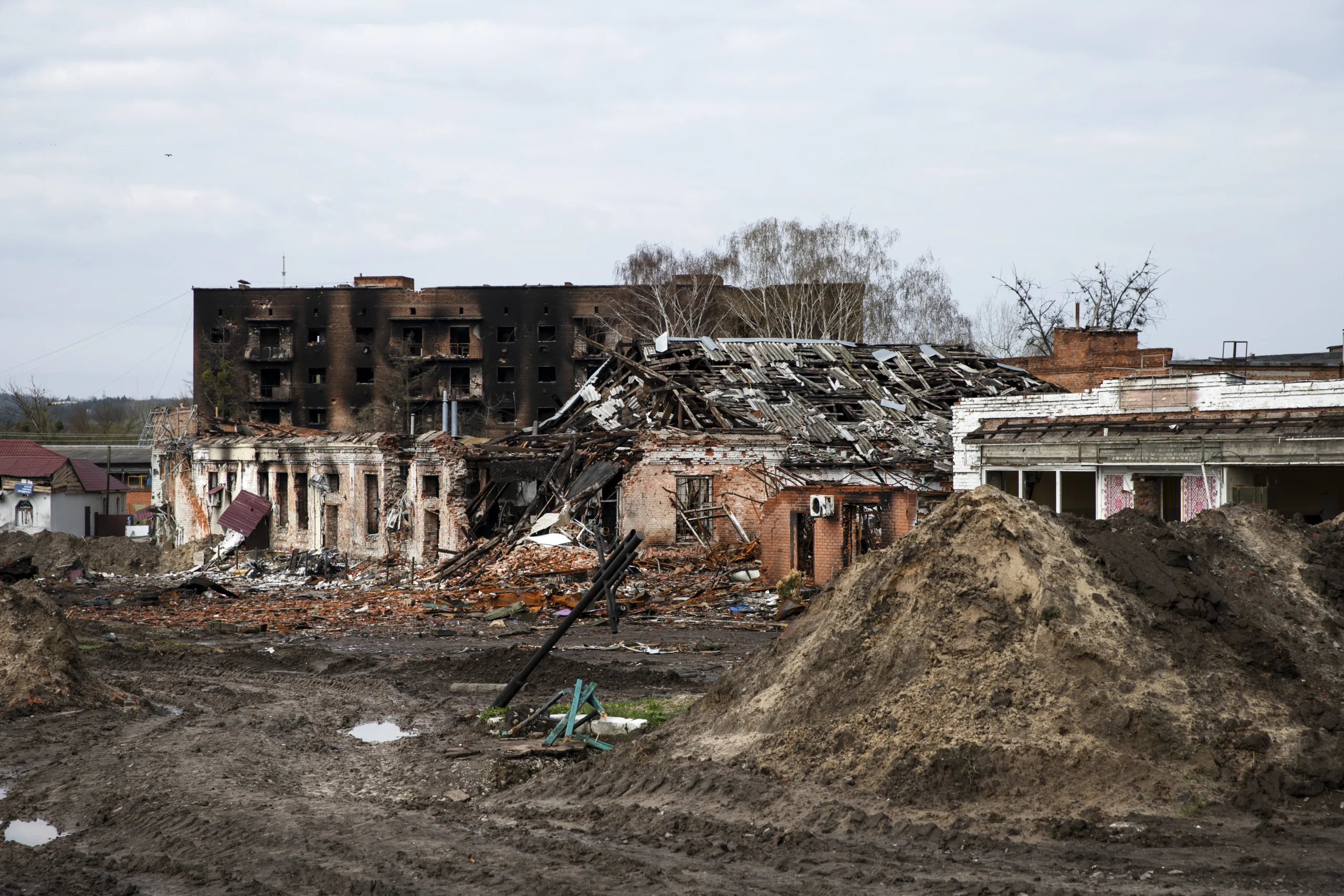
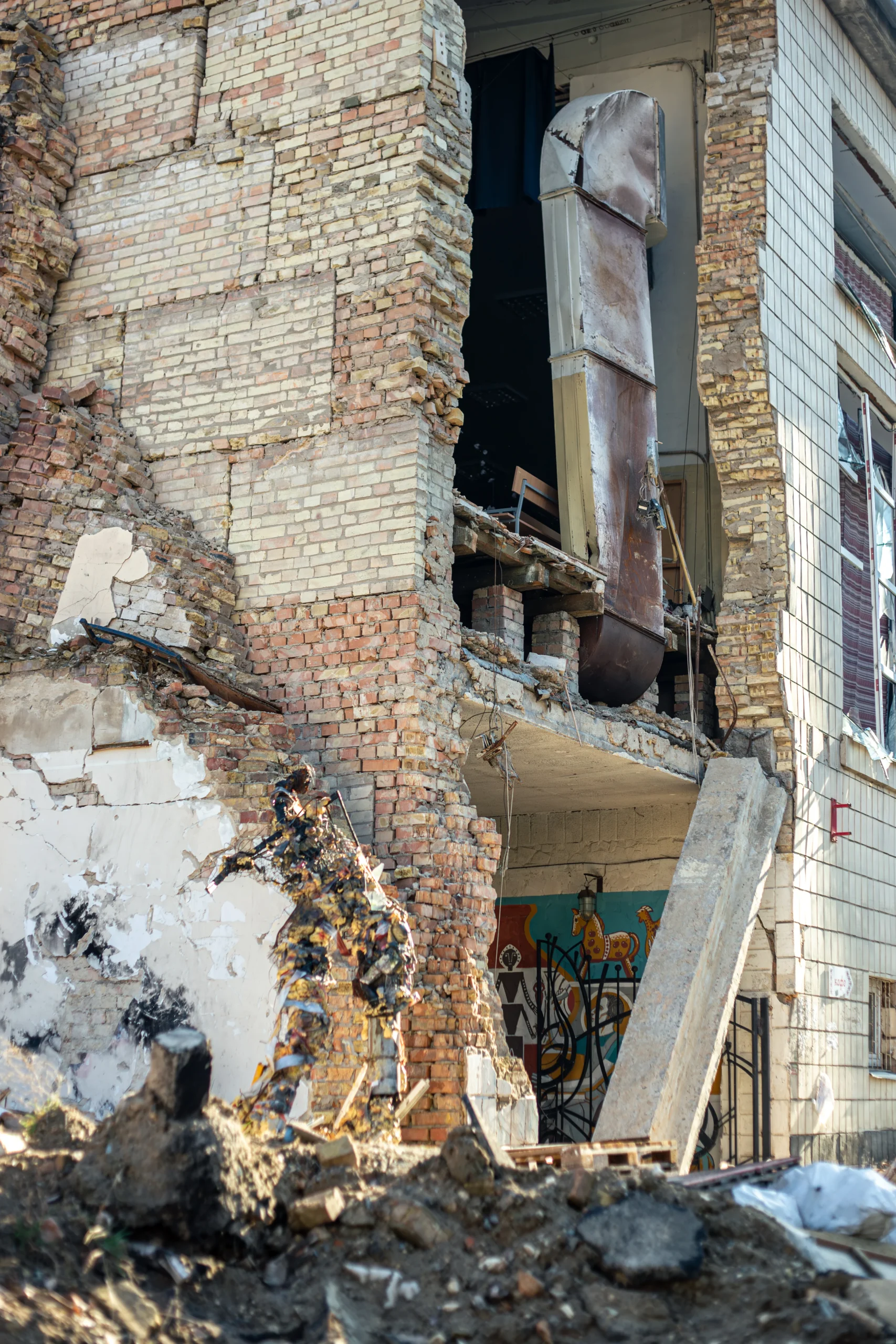
What is Earthquake Insurance?
Most property owners believe their homeowner or business insurance policies will cover them in the event of earthquake damage, but this is incorrect. Most policies do not cover earthquakes, so you must take out a separate earthquake policy or endorsement. You can get such a policy from your regular insurance provider, a provider that specializes in earthquake insurance, or from the California Earthquake Authority (CEA).
Earthquake Insurance covers repairs and renovations to your property, but many important factors come in to play, like your deductible, and the replacement value of the property. It’s so important to talk to an expert before making a decision to purchase an Earthquake policy or endorsement to your existing policy.
What Does an Earthquake Policy or Rider Cover?
- Most Importantly, Your Home’s Structure
- An earthquake policy pays to repair or rebuild your home if it’s damage or even destroyed by the earth moving.
- The limit on earthquake insurance usually matches your homeowners insurance dwelling limit.
- Other Structures Coverage
- This part of the policy covers detached buildings such as garages, carports, fences, and sheds
- Personal Property Coverage
- Covers your belongings damaged by the earth moving or shaking. Such as:
- Furniture
- Clothing
- Electronics
- Appliances
- Some policies let you add coverage for valuable and expensive items.
- Covers your belongings damaged by the earth moving or shaking. Such as:
- Loss of Use Coverage
- Pays for temporary housing, and even meals if your home becomes unlivable after an earthquake.
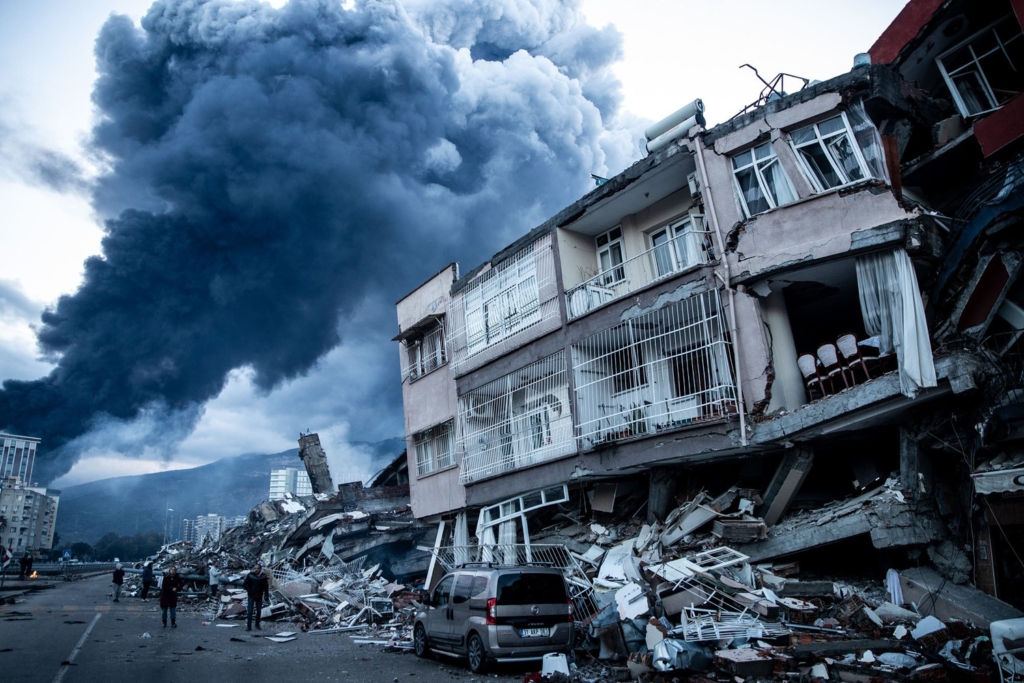
Earthquake Insurance
For People who
Wants to Get it

(HMOs) and Exclusive Provider Organizations (EPOs)
- HMOs and EPOs may limit coverage to providers inside their networks. A network is a list of doctors, hospitals, and other health care providers that provide medical care to members of a specific health plan. If you use a doctor or facility that isn’t in the HMO’s network, you may have to pay the full cost of the services provided.
- HMO members usually have a primary care doctor and must get referrals to see specialists. This is generally not true for EPOs.
High Deductible Health Plan (HDHP)
- High Deductible Health Plans typically feature lower premiums and higher deductibles than traditional insurance plans.
- If you have an HDHP, you can use a health savings account or a health reimbursement arrangement to pay for qualified out-of-pocket medical costs. This can lower the amount of federal tax you owe.
Catastrophic Health Insurance Plan
- A catastrophic health insurance plan covers essential health benefits but has a very high deductible. This means it provides a kind of “safety net” coverage in case you have an accident or serious illness.
Why Choose Our Life Insurance
We believe that peace of mind starts with the right protection.
1
Flexible Coverage
Plans tailored to fit your budget and needs.
2
Quick Claim
Fast & straightforward claims for stress-free support.
3
Expert Guidance
Our specialists guide you every step of the way.
4
Affordable Premiums
Secure coverage without breaking the bank.
Faqs
Frequently Asked Questions
Trusted protection made easy – for your home, your car, and your life.
Explore other types of insurance